Have you ever wished you could improve the appearance of a chipped, cracked, or slightly uneven tooth without undergoing an extensive dental procedure? Dental bonding is a simple cosmetic treatment that can make noticeable improvements while preserving most of your natural tooth structure. But before choosing this treatment, many patients naturally wonder: How long does dental bonding actually last?
When choosing cosmetic dental care, working with a top rated dentist in Raleigh can help ensure the procedure is carefully planned and performed using appropriate materials and techniques. While dental bonding is generally durable, its lifespan can vary depending on several factors, including your oral habits, the location of the bonded tooth, and how well you maintain your smile.
What Is Dental Bonding?
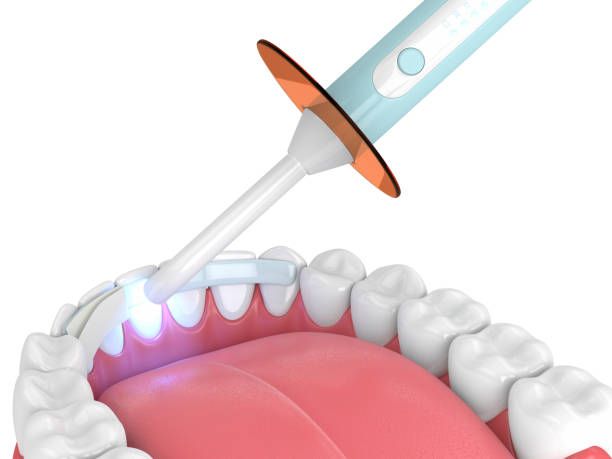
Dental bonding is a cosmetic dental procedure that uses a tooth-colored composite resin to improve the shape, size, or appearance of a tooth. The material is carefully applied to the tooth, shaped to achieve the desired appearance, and hardened using a special light.
Because bonding usually requires minimal alteration to the natural tooth, it can be a conservative option for addressing minor cosmetic concerns. It may be used to repair small chips, close minor gaps, improve tooth shape, or cover areas of discoloration.
How Long Does Dental Bonding Usually Last?
So, how long can you expect your results to last? Dental bonding typically lasts between 3 and 10 years, although some patients may enjoy their results for longer with proper care.
Unlike dental crowns or veneers, composite resin is somewhat more susceptible to staining, chipping, and wearing down over time. The exact lifespan depends on factors such as the tooth's location, your bite, eating habits, oral hygiene, and whether you grind or clench your teeth.
Bonding on front teeth may last several years when properly maintained, while bonding on teeth exposed to heavier chewing forces may require replacement sooner.
What Can Cause Dental Bonding to Wear Out?
Several everyday habits can affect the longevity of bonded teeth. Biting fingernails, chewing ice, opening packages with your teeth, or frequently eating very hard foods can place unnecessary stress on the composite material.
Teeth grinding and clenching can also contribute to cracks or chips. Additionally, highly pigmented foods and beverages, such as coffee, tea, red wine, and certain sauces, may gradually stain composite resin.
If you are considering dental bonding in Raleigh, discussing your daily habits and oral health with your dental provider can help determine whether bonding is an appropriate long-term option.
How Can You Make Dental Bonding Last Longer?
Good oral hygiene is one of the simplest ways to protect your bonded teeth. Brush twice a day with fluoride toothpaste, floss daily, and maintain regular dental checkups and cleanings.
It is also important to avoid using bonded teeth as tools. If you grind your teeth at night, your dental provider may recommend a custom mouthguard to help protect your smile.
Regular dental visits allow your provider to monitor the bonded areas and identify small chips, wear, or other concerns before they become more significant.
When Does Dental Bonding Need to Be Replaced?
Dental bonding may need replacement when the material becomes significantly chipped, cracked, worn, or discolored. Sometimes, minor damage can be repaired without replacing the entire bonded area.
Your dental provider can examine the restoration and recommend whether polishing, repairing, or replacing it is the most suitable option.
Is Dental Bonding Worth It?
For patients with minor cosmetic concerns, dental bonding can provide an affordable and minimally invasive way to improve a smile. Although it does not last forever, proper care can help extend its lifespan and maintain its appearance.
If you are considering dental bonding in Raleigh, maintaining good oral hygiene, avoiding damaging habits, and attending regular dental appointments can help you enjoy your results for years.
Conclusion
Dental bonding can be an effective option for improving minor imperfections while maintaining much of your natural tooth structure. With proper care and regular dental visits, the results can remain attractive and functional for several years. Your dental provider can evaluate your smile and help you determine whether bonding is the right choice for your needs.